

Restaurant Construction in Arizona: The Most Regulated Small Building You Will Ever Do
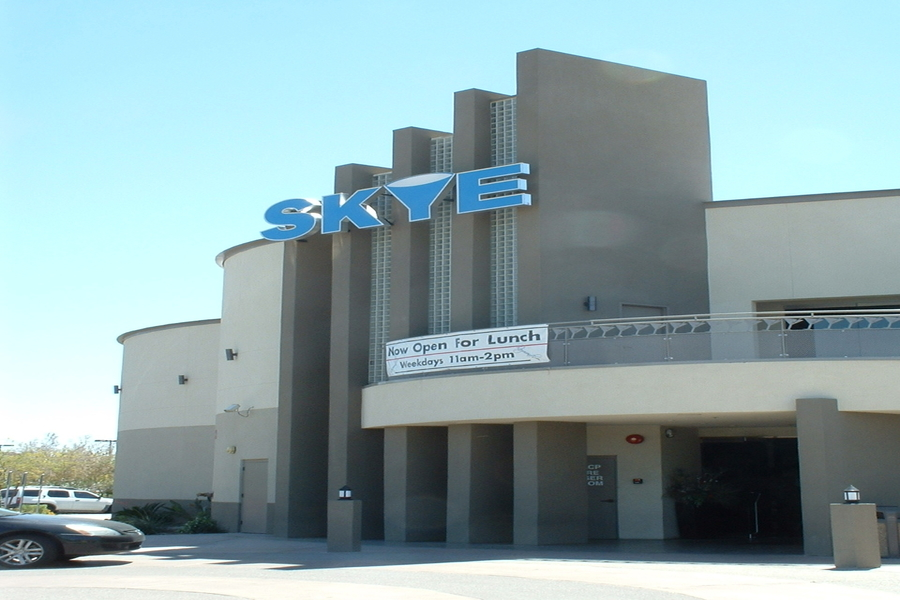
Square foot for square foot, a restaurant is the most regulated building most owners will ever construct. A 3,000-square-foot restaurant carries more regulatory surface area than a 30,000-square-foot warehouse, and it does it with a schedule driven by a lease that started charging rent months ago.
Four agencies, not one
A restaurant answers to more than the building department.
- Building and fire — occupancy, egress, suppression, accessibility.
- Health department — the plan review that governs finishes, hand sinks, three-compartment sinks, mop sinks, food flow, walk-in construction, and surfaces. Maricopa County reviews these separately from the building permit and on its own clock.
- Wastewater — grease interception, sized by the jurisdiction's method, and frequently larger and more awkwardly located than expected.
- Liquor licensing — a state and local process with its own timeline that is often the actual gate on opening day, and which can interact with distance requirements and zoning.
These run in parallel and none of them will wait for the others. The commonest schedule failure on a restaurant is a health plan review comment landing after the kitchen equipment was already ordered.
The kitchen drives the building
Owners think of a restaurant as a dining room with a kitchen behind it. The building behaves the opposite way: the kitchen dictates the structure, the mechanical system, the roof, and often the storefront.
Hood and make-up air. An exhaust hood moves an enormous volume of conditioned air out of the building, and code requires you to replace it. In Arizona that make-up air is being tempered against 110°F ambient for months. Sizing this correctly is the difference between a comfortable dining room and one where the front door will not close because the building is under negative pressure.
Equipment before drawings. The equipment schedule determines gas load, electrical service, water, drainage, and hood length. It has to be settled early — changing a piece of equipment late changes the structure above it and the service to it.
Structure for rooftop units. Kitchen mechanical is heavy and it sits on the roof. That is a framing decision, not a mechanical one.
Grease. The interceptor's size and location affect the site plan, not just the plumbing. It needs truck access for pumping.
The patio is not a nice-to-have here
In Arizona, exterior seating is revenue for a meaningful part of the year and dead area for the rest — and which one it is depends almost entirely on shade and orientation.
A west-facing unshaded patio is unusable from spring through fall. The same patio with a ramada, misting, fans, and the right orientation extends the season substantially. Treat it as conditioned-adjacent space with a design problem, not as leftover parking lot. The options are in shade structures and ramadas.
New build or tenant improvement
Most restaurants in this market are tenant improvements in existing shells, and that is usually the right call — the shell, parking, and often the grease infrastructure already exist. The trade-off is that you inherit the landlord's building, its column grid, its service capacity, and its constraints.
Before signing, verify: available gas and electrical capacity, whether the roof can carry your mechanical, whether a hood can be routed and terminated where code requires, whether grease interception exists and is adequate, and whether the parking count supports a restaurant use rather than the retail use it was built for. That last one has killed more deals than any design issue. More on this path in tenant improvement and adaptive reuse.
Identity still has to happen
Amid all of that, the building has to look like the concept. Restaurants live and die on how they read from the street and how the room feels at capacity — Charlie Trumbull's, Sable French Bakery, SunBar, Sage Tree Tea, and Manuel's each solved that differently.
The way to protect the design is to get the technical work settled early enough that it is not still being negotiated when the finishes are being chosen.
Opening a restaurant in the Valley? Send us a note — ideally before the lease is signed.