

Tenant Improvement and Adaptive Reuse in Arizona: When Not to Build New
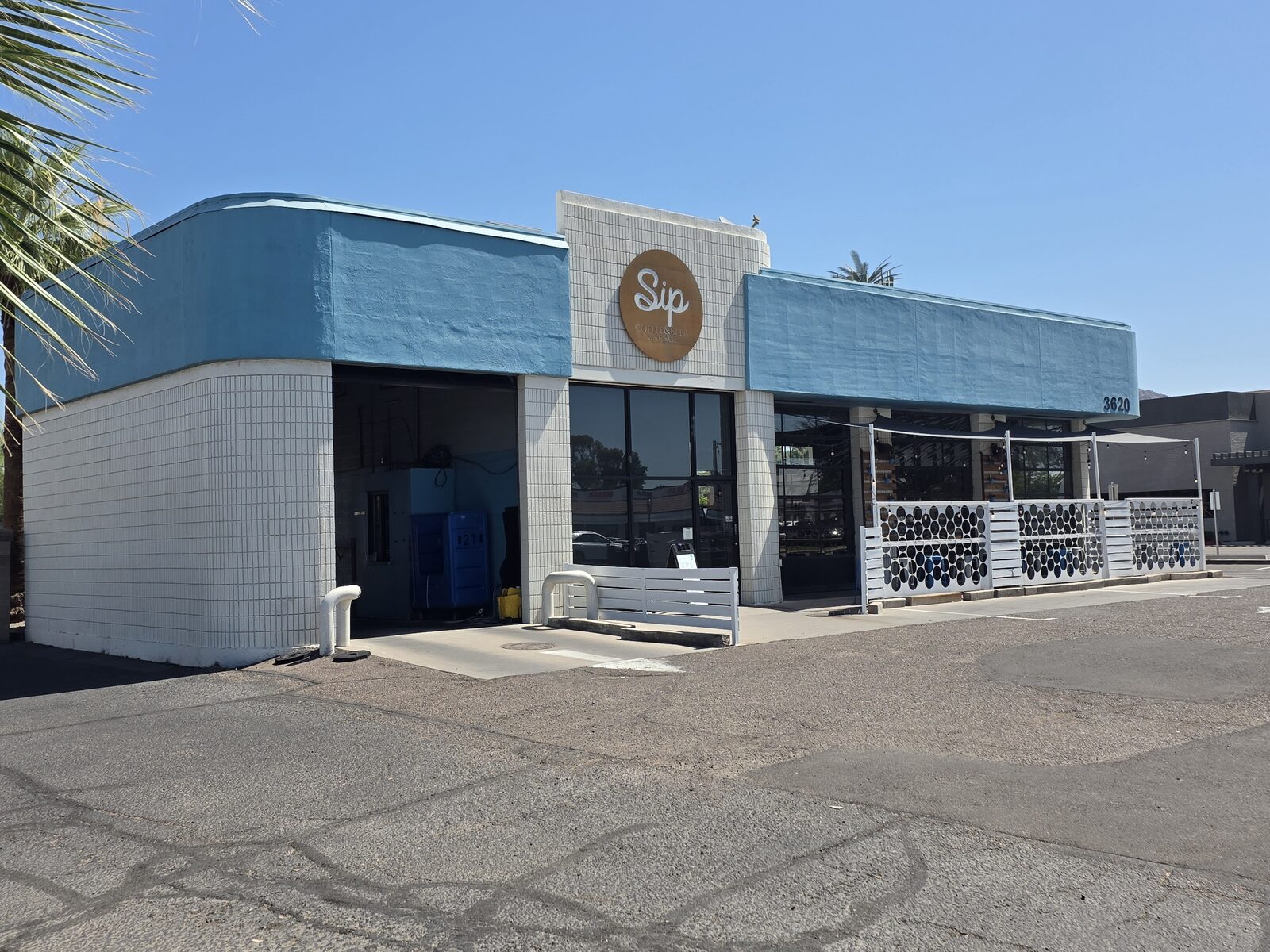
The best project is sometimes the one you do not build from scratch. The Valley has a deep stock of buildings whose structure is sound and whose use is obsolete, and converting one is frequently faster and cheaper than ground-up — while sidestepping the entitlement exposure that makes new construction unpredictable.
The catch is that the shell you inherit is the shell you get. Everything depends on what you check before signing.
Why reuse wins when it wins
Schedule. No land acquisition, usually no rezoning, no site development, and a much shorter permit path. On a lease-driven business this is often the whole argument.
Cost. Structure, foundation, roof, parking, and utilities already exist — the most expensive things on any project, and per what drives construction cost, the ones that dominate the budget.
Entitlement certainty. An existing conforming building carries far less risk than a new proposal that needs discretionary approval. See entitlements and permitting.
Location. The good corners are already built on. Reuse is frequently the only way into an established trade area.
Character. A building with history has something new construction has to manufacture. SIPS Coffee & Beer Garage is a former service garage, and the roll-up doors are the concept rather than a leftover.
What to verify before you sign
This list is the difference between a good deal and an expensive one, and every item is checkable during due diligence.
Does the parking count support your use? The most common deal-killer. Parking is computed by use, and restaurant and medical ratios are far higher than retail or warehouse. A building legally parked for its old use may be unable to accommodate yours, with no way to add stalls.
Is your use permitted, and does changing it trigger anything? A change of occupancy classification can bring requirements the existing building does not meet — egress, fire separation, sprinklers, accessibility upgrades.
What is the actual service capacity? Electrical service size, gas availability and pressure, water service, and sewer. Upgrading a service is expensive and sometimes involves the utility's schedule rather than yours.
Can the roof carry your mechanical? New rooftop units on an old structure often need reinforcement. For restaurants this is not optional — restaurant construction.
Can a hood be routed and terminated legally? Path, shaft, and roof termination clearances. This has ended more restaurant deals than any other technical issue.
Does grease interception exist and is it adequate? Retrofitting an interceptor means cutting slab and finding an exterior location with truck access.
What condition is the envelope in? An old roof and single-pane glass are a capital item and an operating penalty in this climate — Arizona commercial roofing, low-E glazing.
Accessibility. Alterations trigger accessibility obligations. The path of travel, restrooms, and entrance frequently need work, and in a small suite these clearances are tight.
What is behind the finishes? Older buildings may contain materials requiring assessment and abatement before demolition. Budget for the survey.
Where the surprises live
Existing-building work carries irreducible uncertainty. As-builts are wrong, slabs contain things nobody documented, and structure is discovered rather than drawn.
Two habits help more than anything else: field-verify before you draw rather than trusting a landlord's plans, and carry a real contingency. A reuse project with a thin contingency is a project that will stop mid-construction.
Repositioning, not just conversion
The same logic scales up. A tired retail center with good frontage, or a structurally sound office building with a dated envelope, can be repositioned with a re-skin, new entries, better shading, and updated signage for a fraction of new construction — see retail and shopping center construction and commercial office construction.
The Valley's building stock from earlier decades is largely sound and largely unimproved. That is an opportunity.
Looking at a space or an older building? Send us a note — a walk through before the lease is signed is the cheapest work on the project.